Auto Generated via Readwise
These are my highlights created/synced via Readwise.io - Referral Link
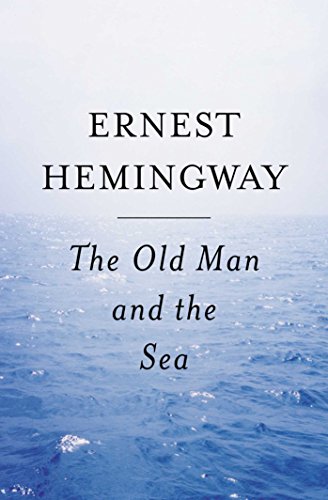
About
Title: The Old Man and the Sea
Authors: Ernest Hemingway
Category: supplementals
Number of Highlights: 19
Date: 2025-11-05
Last Highlighted: **
Highlights
You are killing me, fish, the old man thought. But you have a right to. Never have I seen a greater, or more beautiful, or a calmer or more noble thing than you, brother. Come on and kill me. I do not care who kills who.
“Fish,” he said, “I love you and respect you very much. But I will kill you dead before this day ends.” Let us hope so, he thought.
Now is no time to think of what you do not have. Think of what you can do with what there is.
Tags: perspective, problem_solving
“But man is not made for defeat,” he said. “A man can be destroyed but not defeated.”
“Fish,” the old man said. “Fish, you are going to have to die anyway. Do you have to kill me too?”
It was considered a virtue not to talk unnecessarily at sea and the old man had always considered it so and respected it. But now he said his thoughts aloud many times since there was no one that they could annoy.
Tags: virtues
Then he rested against the bow. He rested sitting on the un-stepped mast and sail and tried not to think but only to endure.
Tags: problem_solving
“Get to work, old man,” he said. He took a very small drink of the water. “There is very much slave work to be done now that the fight is over.”
“What an excellent fish dolphin is to eat cooked,” he said. “And what a miserable fish raw. I will never go in a boat again without salt or limes.”
“Fish,” he said softly, aloud, “I’ll stay with you until I am dead.”
Then he will turn and swallow it, he thought. He did not say that because he knew that if you said a good thing it might not happen.
He did not truly feel good because the pain from the cord across his back had almost passed pain and gone into a dullness that he mistrusted.
If the boy were here he could rub it for me and loosen it down from the forearm, he thought. But it will loosen up.
Then the fish came alive, with his death in him, and rose high out of the water showing all his great length and width and all his power and his beauty. He seemed to hang in the air above the old man in the skiff. Then he fell into the water with a crash that sent spray over the old man and over all of the skiff.
The old man hit him on the head for kindness and kicked him, his body still shuddering, under the shade of the stern.
Most people are heartless about turtles because a turtle’s heart will beat for hours after he has been cut up and butchered. But the old man thought, I have such a heart too and my feet and hands are like theirs.
Hemingway took the external details of the story and presented them from the point of view of the fisherman. He thus made it possible for the reader to participate imaginatively in the story. That effect was always Hemingway’s primary aim as a writer.
The old man went out the door and the boy came after him. He was sleepy and the old man put his arm across his shoulders and said, “I am sorry.” “Qué va,” the boy said. “It is what a man must do.”
“How is he?” one of the fishermen shouted. “Sleeping,” the boy called. He did not care that they saw him crying. “Let no one disturb him.” “He was eighteen feet from nose to tail,” the fisherman who was measuring him called. “I believe it,” the boy said.